
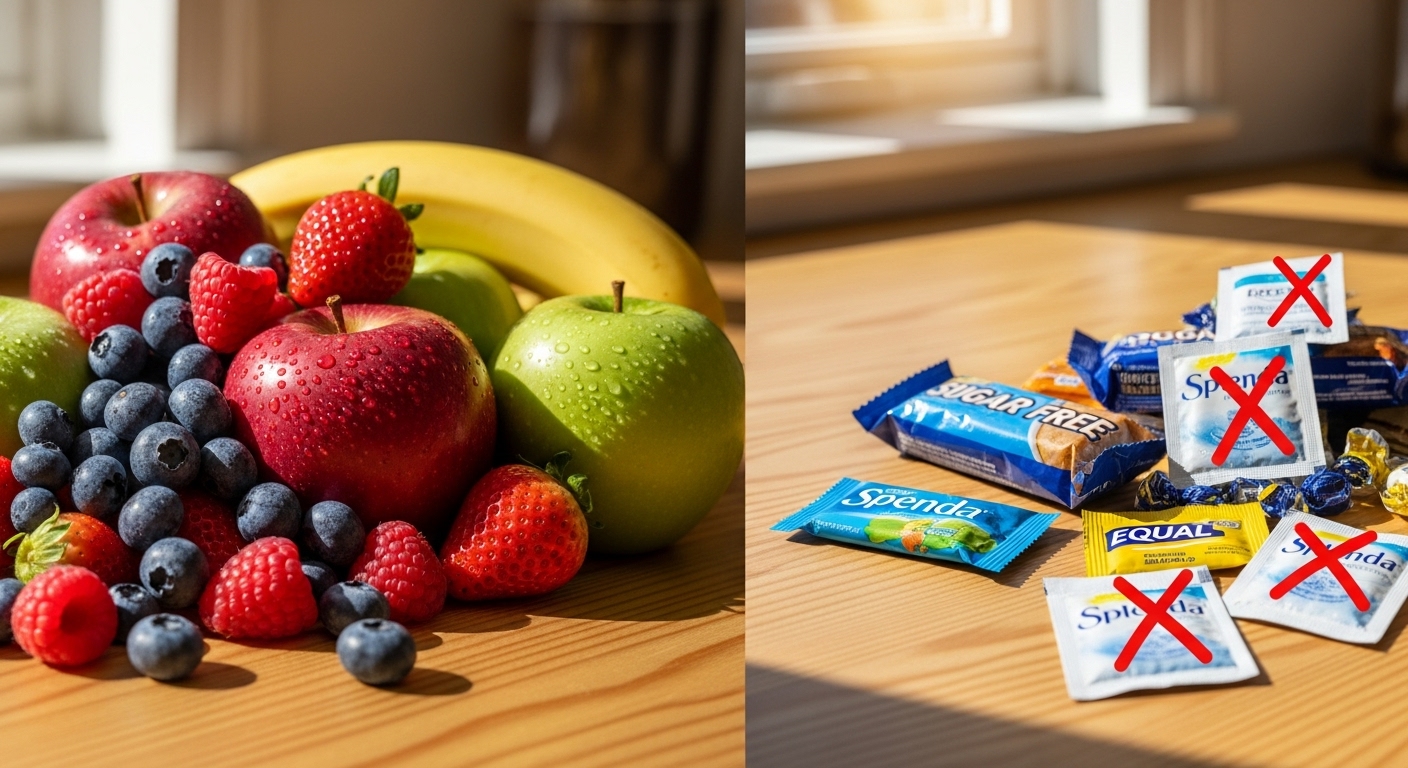
Ever grabbed a “sugar-free” protein bar, feeling all virtuous, only to check the label and see a chemistry experiment’s worth of ingredients? Been there. I once swapped candy for “no sugar added” cookies, thinking I’d cracked the code. Plot twist: I felt bloated, cranky, and still craved the real thing. Here’s the wake-up call I wish someone handed me sooner: why “no sugar” doesn’t always mean healthy. Sometimes, it’s just clever marketing dressed up in a health halo.
Let’s peel back the curtain on zero-sugar claims, artificial sweeteners, and what actually happens in your body. If you’re tired of falling for package promises, grab a coffee—this one’s for you.
The Sugar-Free Trap: It Started with Good Intentions
Let’s face it, sugar’s the bad boy of nutrition. Too much spikes blood sugar, packs on pounds, and feeds inflammation. The WHO says keep added sugars under 25 grams daily. Fair. So “no sugar” sounds heroic, right?
Wrong. Food companies know we’re scared. They strip sugar, then replace it with… stuff. In my experience, that’s where the real trouble brews. A 2023 Nielsen report showed “sugar-free” product sales up 28%. But are we healthier? Not quite.
Artificial Sweeteners: Sweet Taste, Bitter Aftermath?
Acesulfame-K, sucralose, aspartame—sound familiar? They’re 200–600 times sweeter than sugar, zero calories. Win-win? If only.
I swapped soda for diet versions years ago. Cravings vanished… then roared back louder. A 2024 Cell Metabolism study linked artificial sweeteners to altered gut bacteria and increased hunger hormones. Your brain tastes sweet, expects calories, gets none—then demands payback in donuts.
That said, occasional use might be fine. But daily? My energy stabilized when I ditched the pink packets for real fruit.
Sugar Alcohols: The Sneaky Gut Bomb
Erythritol, xylitol, maltitol—labels boast “naturally derived” and “low calorie.” Technically true. Practically? A laxative party in your intestines.
I made the mistake of eating a full “sugar-free” ice cream pint. Let’s just say my bathroom and I became very close. Most people don’t realize sugar alcohols aren’t fully absorbed—fermentation in the gut causes gas, bloating, diarrhea. A 2023 FDA review flagged erythritol for possible heart risk links. Yikes.
Naturally Occurring vs. Added: The Label Lie
“No added sugar” doesn’t mean sugar-free. Fruit juice concentrates, dates, honey—they’re sugar in disguise. A “healthy” granola bar might pack 15 grams from “natural” sources. Your liver doesn’t care about the origin; it processes fructose the same.
Picture this: kid’s “no sugar added” applesauce with 22 grams from concentrate. Same as soda, prettier packaging. Read the nutrition facts, not the front claims.
When “No Sugar” Means More Junk
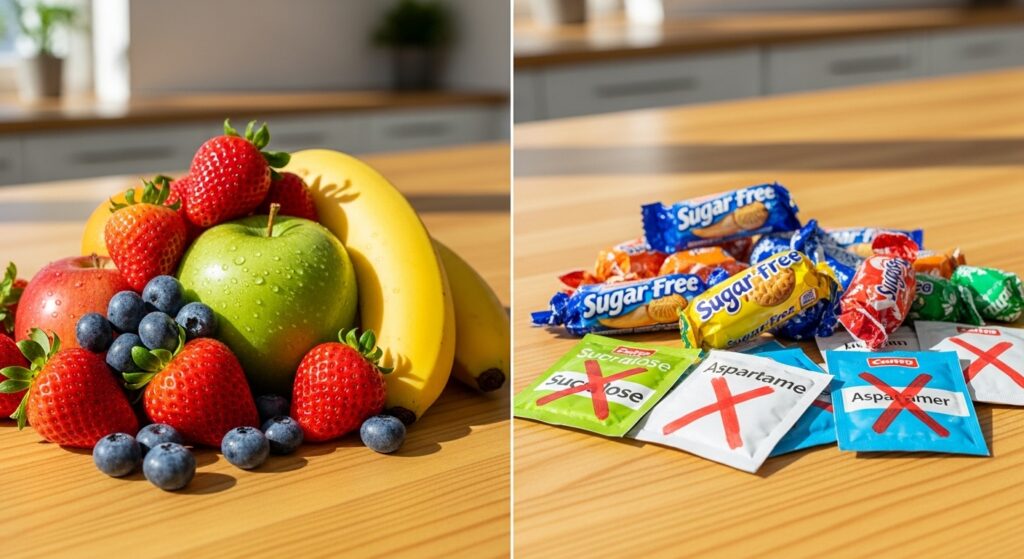
Remove sugar, something’s gotta carry flavor. Enter refined starches, oils, and thickeners. Sugar-free cookies often swap sucrose for white flour and palm oil—blood sugar spike plus extra calories.
A 2022 Journal of Nutrition study compared sugar-free vs. regular candy bars. The “healthy” version had identical glycemic impact but more saturated fat. I’d rather have two squares of dark chocolate than a whole fake bar.
The Psychology of Sugar-Free Eating
Here’s the tricky part: “no sugar” gives permission to overeat. “Zero calories? Load me up!” I’ve polished off a bag of sugar-free gummies, thinking I was “good.” Net result: 300 empty calories and a stomachache.
A Yale study showed people consume 30% more when food’s labeled “healthy” or “sugar-free.” The halo effect is real—and dangerous.
Real Food > Fake Free
Want truly healthy? Skip the processed middleman. An apple has 19 grams sugar—plus fiber, vitamins, water. Your body slows absorption, stays full. A sugar-free candy? Zero nutrients, all regret.
My rule: if Grandma wouldn’t recognize it, question it. Fresh berries beat “no sugar” pudding every time.
Decoding Labels Like a Pro
Arm yourself with this checklist:
- Ingredients under 5? Good sign.
- Sugar alcohols listed? Limit to 10g/serving.
- Fiber >3g? Helps blunt impact.
- “Naturally sweetened”? Check for dates, monk fruit, stevia.
Pro tip: scan the grams of sugar, not just the claim. “No sugar added” juice can still have 30g naturally. Context matters.
Healthy Sweet Swaps That Actually Work
Craving sweet without the trap? Try these:
- Fruit: Nature’s candy. Frozen grapes = mini popsicles.
- Spices: Cinnamon, vanilla, nutmeg trick taste buds.
- Greek yogurt + berries: Creamy, 12g protein, natural sugar.
- Dark chocolate (85%+): 1–2 squares satisfy deeply.
I blend banana “nice” cream—frozen bananas, cocoa, splash of milk. Tastes sinful, fuels like a champ.
The Blood Sugar Rollercoaster
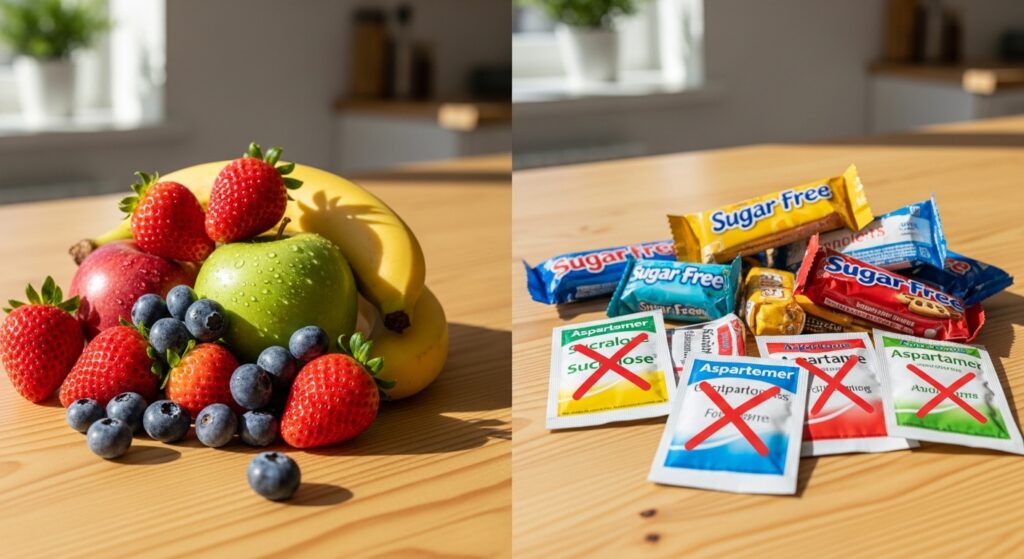
Sugar-free doesn’t mean stable glucose. Refined starches in “healthy” muffins spike you harder than fruit. A continuous glucose monitor (CGM) opened my eyes—sugar-free cereal sent me soaring; oats with nuts barely budged.
A 2024 Diabetes Technology study showed whole-food carbs with protein/fat keep levels steady. Balance beats banning.
When Sugar-Free Makes Sense
Fairness check: for diabetics or insulin resistance, sugar-free tools help. But even then, focus on whole foods. A dietitian once told me, “Treat sugar-free as medicine, not meals.” Wise words.
Your “No Sugar” Reality Check Plan
Ready to eat smarter? Start here:
Day 1: Audit pantry. Toss anything with >5 ingredients you can’t pronounce.
Day 3: Replace one sugar-free snack with fruit + nuts.
Week 2: Cook one new whole-food dessert (chia pudding, anyone?).
Ongoing: Taste real sweetness—your palate recalibrates in 2 weeks.
Track energy, not labels. That’s why “no sugar” doesn’t always mean healthy in action.
Final Takeaway: Health Isn’t a Label, It’s a Pattern
Look, I’m not saying never touch sugar-free again. A diet soda on a hot day? Fine. But banking your health on “no sugar” claims is like trusting a wolf in sheep’s clothing. Real food—veggies, proteins, whole grains, yes, even fruit—trumps tricked-out products every time.
I ditched the fake stuff. Cravings calmed, digestion thanked me, waistline followed. Why “no sugar” doesn’t always mean healthy boils down to this: marketing lies, your body doesn’t. Feed it truth.
What’s your biggest sugar-free regret? Share below—misery loves company, but wisdom loves community.
Frequently Asked Questions (FAQs)
Is stevia actually safe if it’s “natural”?
Yes, in moderation. FDA-approved, zero calories, plant-derived. But highly processed versions can taste metallic. I use leaf extract sparingly—1–2 drops in coffee. Whole leaf or minimal processing beats lab-made blends.
Why do I crave sugar more after sugar-free foods?
Your brain expects calories from sweetness, gets none, triggers hunger. A 2023 Appetite study showed artificial sweeteners increase reward-seeking behavior. Pair sweet tastes with nutrients (yogurt + fruit) to retrain cravings.
Are sugar-free candies okay for kids?
Occasionally, but limit sugar alcohols—xylitol’s fine in gum (cavity fighter), but maltitol causes tummy issues. Teach real fruit as dessert. My kids love frozen mango “cubes”—naturally sweet, zero additives.
Does “no added sugar” mean I can eat unlimited?
No. Natural sugars still count—dates in bars add up fast. A “healthy” smoothie bottle might have 40g from fruit juice. Portion matters. I measure dried fruit; ¼ cup max to avoid blood sugar spikes.
Can sugar-free diets help with PCOS or insulin resistance?
They can reduce refined carbs, but don’t demonize fruit. Focus on low-GI whole foods (berries, quinoa). A 2024 Endocrine study showed balanced plates with fiber improved symptoms more than zero-sugar extremes.
How do I satisfy sweet cravings without fake stuff?
Roast fruit—baked apples with cinnamon taste like pie. Or try mashed sweet potato with cocoa. My reset: warm berries over Greek yogurt. Sweet, creamy, packed with protein—cravings gone in 10 minutes.