
Let’s be real. For most of us, stretching is that thing we do for a few rushed seconds after a run, or that part of a yoga class where our mind wanders to our dinner plans. We know it’s “supposed to be good for us,” so we go through the motions, bouncing impatiently toward our toes, hoping to tick the box and move on. I was the same way for years.
But what if I told you that the humble stretch is one of the most powerful, scientifically-backed tools we have for our long-term health? It’s not just about touching your toes. The science of stretching reveals a profound process that impacts everything from your cellular health to your mental clarity. It’s a conversation with your body’s very architecture.
I had my own lightbulb moment talking to a physical therapist after a minor running injury. He didn’t just give me a list of stretches; he explained the *why*. He talked about fascia, proprioception, and the nervous system. Suddenly, stretching wasn’t a chore. It was a fascinating biological reset. Understanding the science of stretching completely changed my relationship with my body, and I’m convinced it can change yours, too.
It’s Not Just Muscles: The Hidden Players in Flexibility
When we think of stretching, we picture our muscles lengthening like rubber bands. But that’s only a small part of the story. The real magic—and the real science of stretching—involves two other critical components: your connective tissues and your nervous system.
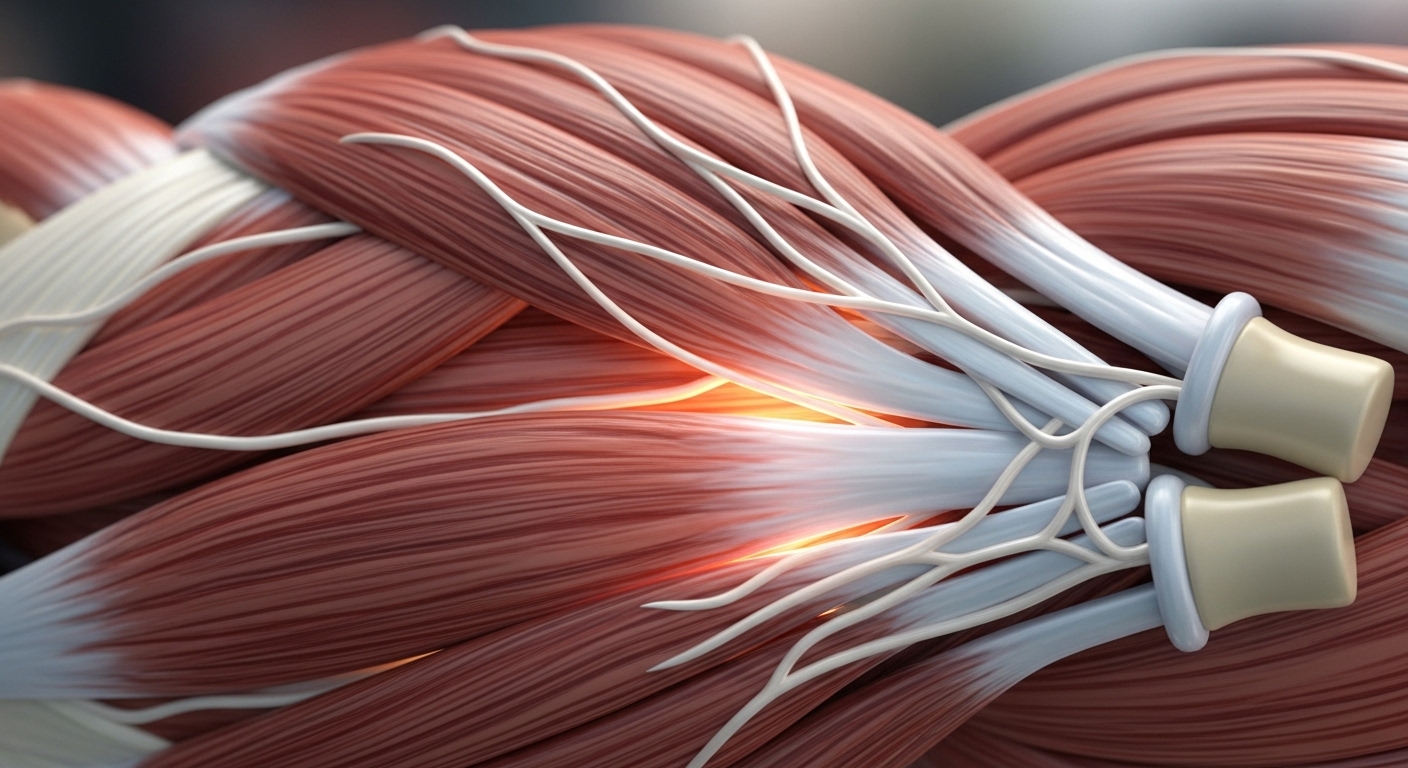
First, let’s talk about fascia. Imagine a vast, sticky, web-like substance that surrounds and penetrates every muscle, organ, and nerve in your body. That’s your fascia. When it’s healthy and hydrated, it’s slippery and allows for smooth movement. But when you’re sedentary or injured, it can become sticky and form restrictions, like cobwebs in a neglected corner. Stretching helps rehydrate and reorganize this fascia, freeing up your movement.
Second, and perhaps more importantly, is your nervous system. Your muscles have built-in safety mechanisms called stretch reflexes. When a muscle is stretched too far or too fast, your spinal cord sends an immediate signal for it to contract, protecting it from tearing. This is why bouncing in a stretch (ballistic stretching) is counterproductive—it just makes your muscles fight back.
Static vs. Dynamic: A Tale of Two Stretches
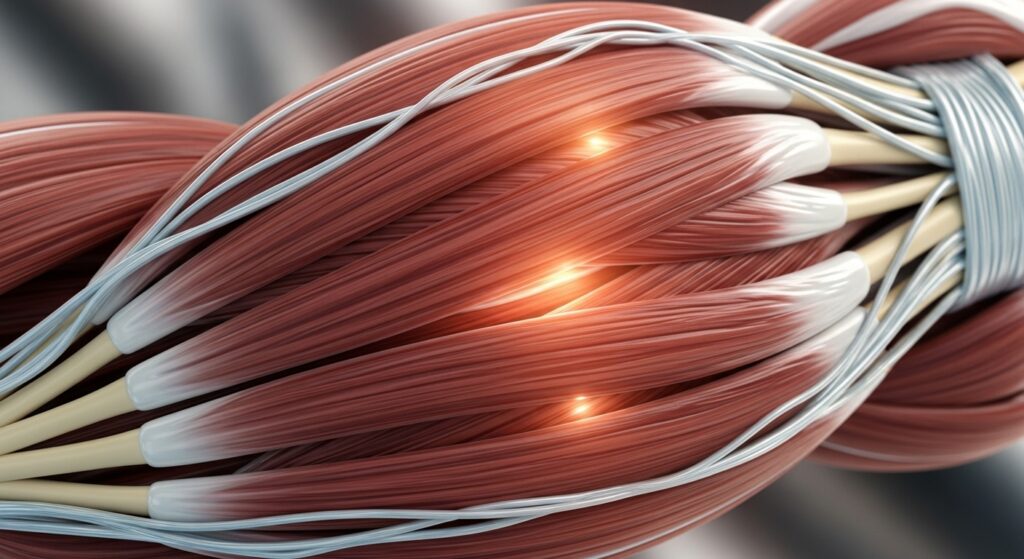
Not all stretches are created equal, and timing is everything. The science of stretching clearly differentiates between two main types, each with a specific job.
Dynamic Stretching: The Warm-Up Hero
This is all about movement. Dynamic stretches involve taking your joints and muscles through their full range of motion in a controlled way. Think of leg swings, torso twists, or arm circles.
Why it works: It increases blood flow, raises your core body temperature, and literally “wakes up” the communication between your nerves and muscles. It prepares your body for activity by rehearsing movement patterns. You should always do dynamic stretches before a workout.
Static Stretching: The Cool-Down Champion
This is what most people picture: holding a stretch in a challenging but comfortable position for a period of time, usually 15-60 seconds. A classic hamstring stretch is a perfect example.
Why it works: Holding a stretch calmly teaches your nervous system that it’s safe to let the muscle lengthen. It gradually dampens that overprotective stretch reflex, allowing for increased flexibility over time. This is best done after your workout when your muscles are warm and pliable.
[Insert Image 2 Here]
Beyond Flexibility: The Surprising Systemic Benefits
Sure, stretching can help you do the splits, but its benefits are so much broader. Delving into the science of stretching uncovers a host of advantages that go far beyond mere flexibility.
- Improved Circulation and Vascular Health: Stretching literally squeezes and releases your blood vessels, improving blood flow throughout your body. Some studies even suggest regular stretching can improve arterial function and lower blood pressure.
- Stress Relief and Mental Calm: Here’s the tricky part we often miss: your body holds tension in your muscles. When you consciously release that physical tension through stretching, you send a signal back to your brain that it’s safe to relax. It’s a two-way street that can significantly lower cortisol levels.
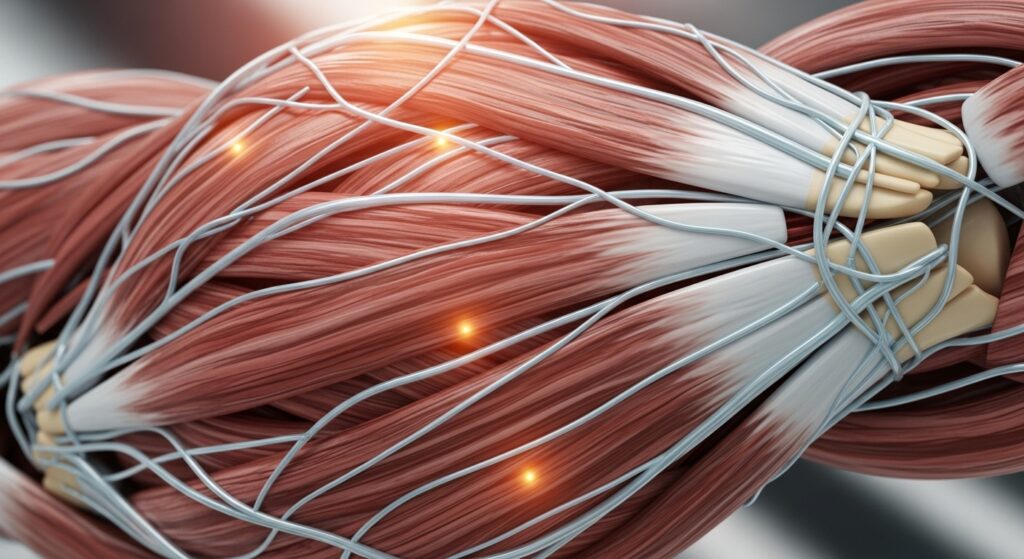
- Enhanced Proprioception (Your Body’s GPS): This is your body’s ability to sense its position in space. Stretching stimulates the nerve endings in your joints and muscles, fine-tuning this internal GPS. This leads to better balance, coordination, and grace in your everyday movements.
- Injury Prevention: By improving flexibility, blood flow, and proprioception, you create a more resilient body. A pliable, well-lubricated muscle is far less likely to strain or tear under stress than a tight, stiff one.
How to Stretch Smarter, Not Harder
Knowing the science is one thing; applying it is another. Here’s how to build a smarter stretching routine based on the actual science of stretching.
1. Never Stretch a Cold Muscle. This is the golden rule. Always do a light warm-up (like 5 minutes of jogging in place or jumping jacks) before you dive into deep stretching. Imagine trying to stretch a cold piece of taffy—it’s far more likely to snap.
2. Feel the Sensation, Not the Pain. You should feel a strong, noticeable pull, but it should never cross the line into sharp, shooting, or radiating pain. Pain is your body’s signal to stop. Breathe into the sensation, don’t fight against it.
3. Breathe, Seriously. Your breath is your most powerful tool. It directly influences your nervous system. Inhale to prepare, and as you exhale, see if you can gently sink a little deeper into the stretch. That long, slow exhale tells your body to relax and let go.
4. Be Consistent. Flexibility isn’t built in a day. The science shows that consistent, frequent stretching (even 5-10 minutes daily) is far more effective than one long, grueling session once a week.
Re-thinking Your Relationship with Movement
Ultimately, the science of stretching teaches us that our bodies are not static statues. They are dynamic, adaptable systems that thrive on movement and mindful care. Stretching isn’t a separate “task” to be completed; it’s an integral part of maintaining the complex, beautiful machinery that lets you move through your life.
It’s about maintaining the fluidity of your fascia, having a calm conversation with your nervous system, and giving your body the gift of full, pain-free range of motion. So the next time you roll out your mat, remember—you’re not just stretching a muscle. You’re conducting a symphony of biological processes that keep you healthy, resilient, and connected to your own body.
Frequently Asked Questions (FAQs)
How long do I need to hold a static stretch for it to be effective?
For most general flexibility goals, holding a stretch for 15 to 30 seconds is sufficient. For deeper, more persistent tightness, holding for 30-60 seconds can be more beneficial. The key is to hold it long enough for the muscle’s protective stretch reflex to relax, which typically begins after about 15 seconds.
Is it better to stretch in the morning or at night?
Both have advantages! Dynamic stretching in the morning can help wake up your body and improve circulation for the day. Static stretching at night can be fantastic for releasing the day’s tension and calming your nervous system for better sleep. Listen to your body’s needs.
Can stretching help with chronic back pain?
Often, yes. Much chronic back pain is related to tightness in supporting muscles like the hamstrings, hip flexors, and glutes, which pull on the pelvis and spine. A targeted stretching routine that addresses these areas can provide significant relief by restoring balance and reducing mechanical stress on the back.
I’m not flexible at all. Can I still benefit from stretching?
Absolutely! In fact, you stand to benefit the most. The goal isn’t to be instantly flexible; it’s to improve your current range of motion. Every millimeter of gain improves joint health, circulation, and reduces your risk of injury. Start where you are, and be patient and consistent.
What’s the difference between feeling a stretch and feeling pain?
A productive stretch feels like a strong, deep, sometimes intense pulling sensation in the belly of the muscle. It should be manageable and might even feel “good.” Pain, on the other hand, is sharp, stabbing, burning, or radiates away from the muscle. If you feel pain, ease off immediately.