
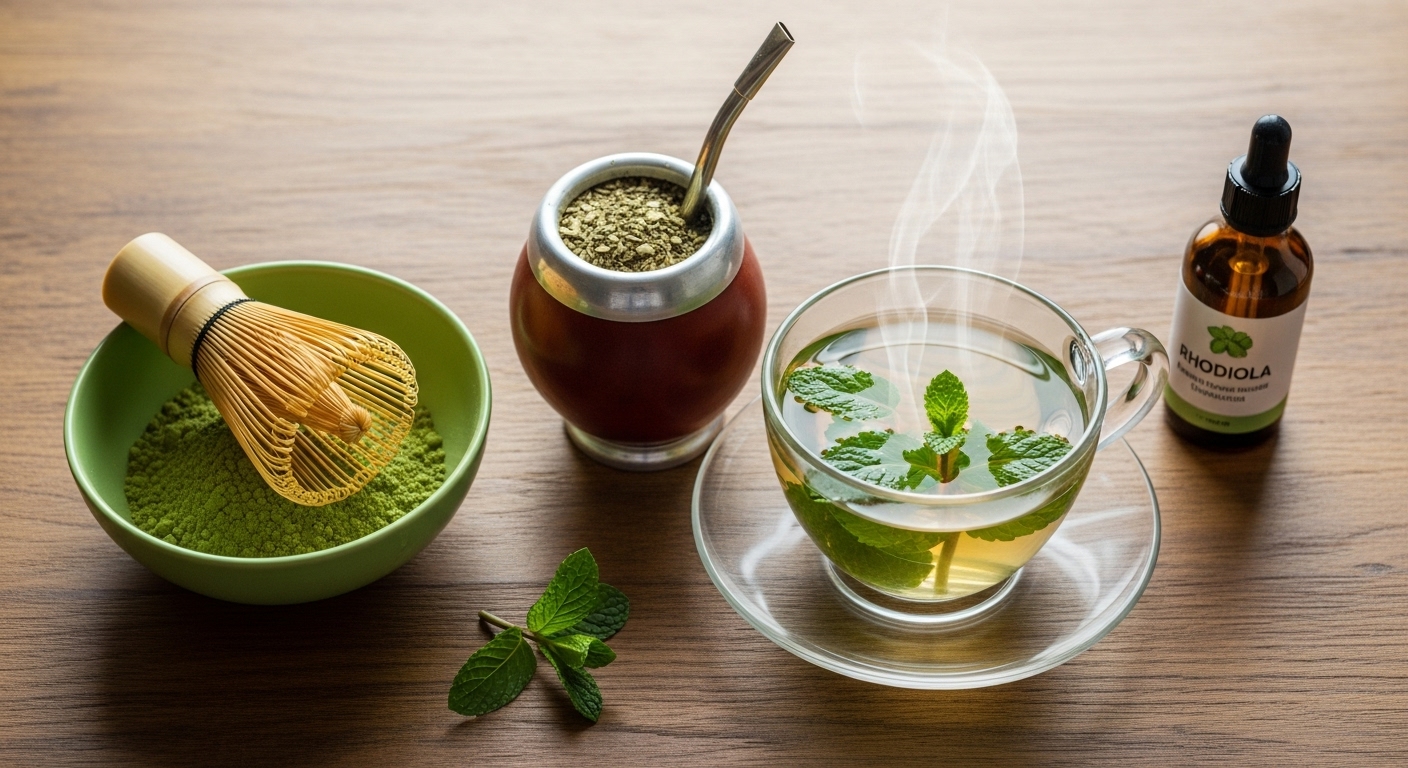
Alright, let’s have a real talk about that 3 PM slump. You know the one. Your brain feels like it’s been replaced with cotton wool, your focus is shot, and your hand starts creeping toward the coffee pot for one more desperate cup. You know it might ruin your sleep, but you need something, anything, to power through.
I was a certified coffee addict for years. My entire day was structured around my next hit of caffeine. But then I started noticing the jitters, the afternoon crashes, and the way my energy levels felt like a roller coaster I couldn’t get off. I knew there had to be a better way.
What I discovered completely changed my relationship with energy and focus. The world is full of incredible, natural alternatives to coffee that provide clean, sustained concentration without the nasty side effects. We’re not just talking about other caffeinated drinks, but a whole toolkit of herbs, foods, and practices that can sharpen your mind naturally. If you’re looking for natural alternatives to coffee for better concentration, you’ve come to the right place.
Why Look Beyond Coffee?
Don’t get me wrong, I’m not here to demonize coffee. In moderation, it’s fine for many people. But the problem with relying on it is its mechanism. Caffeine works by blocking adenosine, a neurotransmitter that makes you feel tired. It’s like putting a piece of tape over a “low fuel” light. You haven’t actually added fuel; you’ve just ignored the warning.
When the caffeine wears off, all that built-up adenosine floods your system at once, causing the infamous crash. This cycle can also disrupt your sleep, create dependency, and for some of us, cause serious anxiety and jitters. The goal of finding natural alternatives to coffee for better concentration is to support your body’s natural energy systems, not just override them.
The Gentle Stimulants: Clean, Calm Focus
These options provide a lift, but they do it in a much smoother way than coffee, often with additional cognitive benefits.
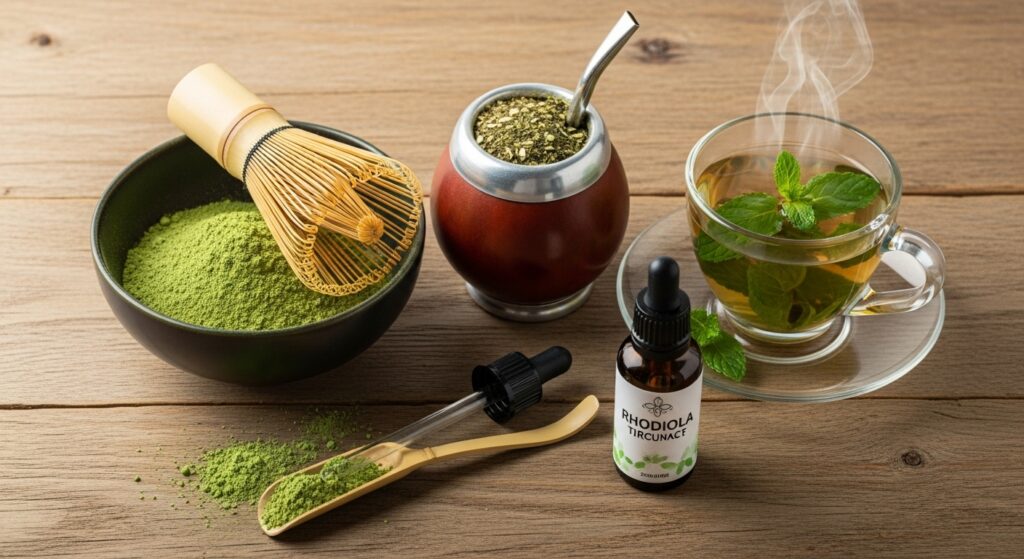
1. Matcha: The Zen Master of Caffeine
If coffee is a frantic rock concert, matcha is a calming symphony. Because you’re consuming the entire ground tea leaf, you’re getting a unique combination of caffeine and L-Theanine, an amino acid that promotes a state of “calm alertness.”
Why it works: The L-Theanine counteracts the jittery effects of caffeine, increases alpha brain waves (associated with relaxation), and boosts focus. You get a steady, 4-6 hour release of energy without the spike and crash. It’s my personal favorite among natural alternatives to coffee.
2. Yerba Mate: The Social Energizer
This South American tea is a cultural staple for a reason. It contains a blend of caffeine, theobromine (also found in chocolate), and theophylline, which work together to provide a balanced, energetic lift.
Why it works: Many people report that yerba mate provides mental clarity and focus without the nervousness of coffee. It’s also rich in antioxidants and nutrients. It’s a social, ritualistic drink that can replace the comforting habit of your coffee break.
3. Guayusa (Pronounced gwhy-you-sa): The Smooth Operator
This lesser-known leaf from the Amazon is like matcha’s even-tempered cousin. It has a smooth, almost sweet taste with no bitterness.
Why it works: Like match, it contains a balanced ratio of caffeine to L-Thea-nine. It provides a very clean, focused energy that’s perfect for deep work sessions, and it won’t upset your stomach like coffee sometimes can.
The Non-Stimulant Brain Boosters
Here’s where it gets really interesting. You don’t always need a stimulant to improve concentration. Sometimes, the best approach is to nourish and protect your brain.
4. Rhodiola Rosea: The Adaptogen for Mental Fatigue
This isn’t a tea you drink; it’s an adaptogenic herb you take as a tincture or capsule. Adaptogens help your body adapt to stress, both physical and mental.
Why it works: Studies suggest Rhodium can reduce feelings of mental fatigue and improve performance on stressful tasks. It won’t “pump you up,” but it can clear away the brain fog that makes concentration difficult in the first place. It’s one of the most powerful natural alternatives to coffee for combating burnout.

5. A Simple Walk in Nature: The Zero-Calorie Cognitive Reset
This one isn’t a drink, but it’s so effective it had to be on the list. When your focus is waning, forcing yourself to stay at your desk is often counterproductive.
Why it works: Just 20 minutes outside can lower cortisol levels, increase blood flow to the brain, and give your prefrontal cortex—the seat of concentration—a much-needed break. You’ll often return with a fresh perspective and renewed focus.
6. Peppermint Tea: The Sensory Sharpen
This caffeine-free herb is a secret weapon for mental clarity. The scent of peppermint alone has been shown to enhance memory and alertness.
Why it works: Sipping a warm cup of peppermint tea engages your senses and can create a feeling of heightened awareness. It’s also fantastic for soothing an upset stomach, which can be a side effect of stress and a major distraction.
Building Your New Routine
Transitioning away from coffee doesn’t have to be an all-or-nothing struggle. Here’s how to do it without feeling like you’re white-knuckling through your day.
Start with a Hybrid Approach: If you usually have two cups of coffee, try having one cup and then one cup of match or Baeyer mate. This helps your body adjust gradually.
Listen to Your Body’s Signals: Are you tired because you’re dehydrated? Stressed? Did you sleep poorly? Before you reach for any substance, ask what your body actually needs. Sometimes, a big glass of water or five minutes of deep breathing is the real solution.
Create New Rituals: A huge part of coffee’s appeal is the ritual. The grind, the smell, the warm mug in your hands. You can recreate this with your new alternative. The mindful process of whisking matcha can be a meditative start to your day.
Your Brain on Natural Fuel
Exploring natural alternatives to coffee for better concentration is a journey of listening to your body. It’s about moving from a state of jittery override to one of calm, sustained clarity. You might find that match is your morning go-to, a walk is your afternoon reset, and peppermint tea is your evening wind-down.
The goal isn’t perfection. It’s awareness. It’s giving your body and brain the clean, supportive fuel they deserve, so you can focus deeply, work efficiently, and feel genuinely good while you’re doing it. Ditch the crash and embrace the calm focus. Your future, more concentrated self is waiting.
Frequently Asked Questions (FAQs)
Will I get headaches from quitting coffee with these alternatives?
If you’re a heavy coffee drinker, quitting cold turkey can cause caffeine withdrawal headaches. The best approach is to taper down slowly. Mix half-caff coffee, gradually reduce your cup size, or replace one coffee at a time with a lower-caffeine alternative like match. This gives your body time to adjust without the brutal headaches.
Are there any natural alternatives that work as quickly as coffee?
Matcha and Yerba Mate are probably the fastest-acting, as they still contain caffeine. You’ll typically feel the effects within 15-30 minutes. The non-stimulant options, like Rhodium or a walk, work more on a systemic level to reduce overall fatigue, so their effects are more cumulative and subtle, but often longer-lasting.
Can I drink these alternatives every day?
Most of them are perfectly safe for daily consumption. In fact, consistency is key with adaptions like Rhodiola. However, it’s always a good idea to cycle your intake. For example, take Rhodium for 6-8 weeks, then take a 1-2 week break. Listen to your body and consult a healthcare provider if you have specific health conditions.
What’s the best option if I’m sensitive to caffeine?
If you’re highly sensitive, your best bets are the non-stimulant options. Peppermint tea, a brisk walk, or even a few minutes of deep breathing can significantly boost alertness without any caffeine at all. Chicory root “coffee” is also a great caffeine-free option that mimics the taste and ritual of coffee.
Where can I find these ingredients?
You’d be surprised! Good quality match, Bayer mate, Araguaya, and peppermint tea are readily available in health food stores, speciality tea shops, and online. Rhodium Rosa can be found in the supplement section of most health food stores or from reputable online retailers. Always look for organic and high-quality sources.