
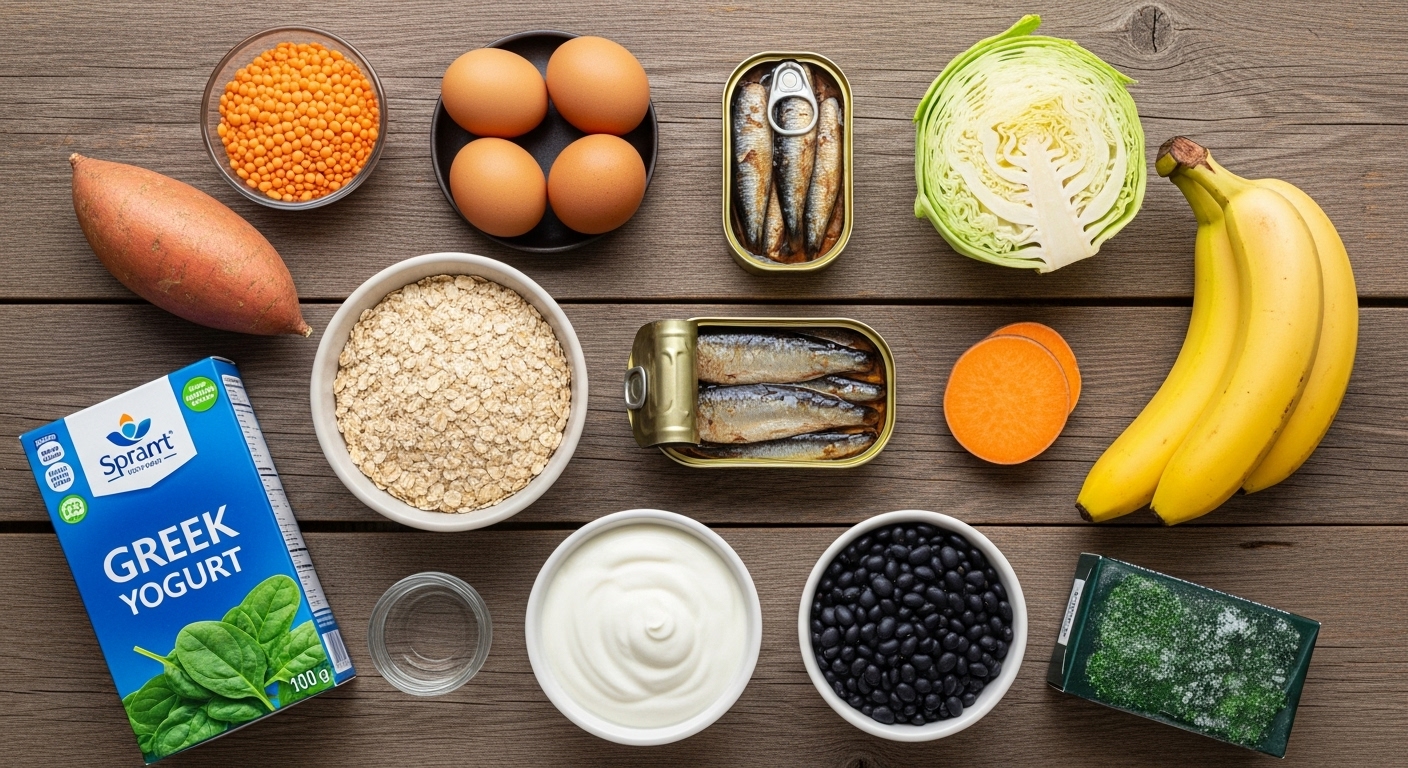
Let’s be honest. When you hear the word “super food,” what comes to mind? Probably tiny bags of exotic goji berries with a hefty price tag, or spirulina powder that costs more than your weekly grocery haul. It’s easy to feel like eating healthy is a luxury reserved for those with a trust fund. I used to think that way, too.
But then I had a revelation, standing right there in the middle of my regular, no-frills supermarket. The truth is, you don’t need to buy into the hype or drain your wallet to eat like a king. Some of the most powerful, nutrient-dense foods on the planet are hiding in plain sight, looking humble and costing pennies. These are the budget-friendly superfoods that have sustained cultures for centuries.
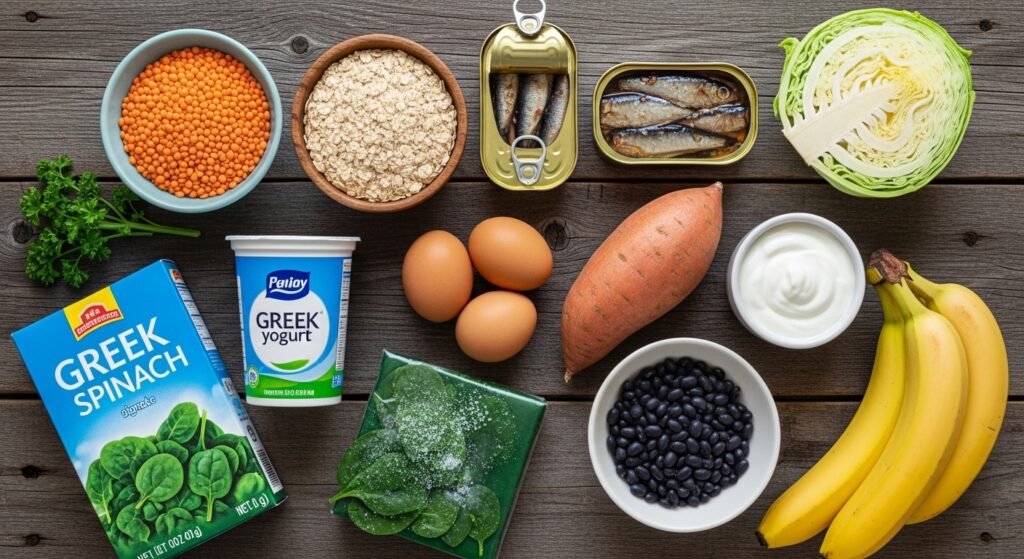
This list isn’t about the trendy, expensive stuff. It’s about the everyday heroes—the lentils, the oats, the humble cabbage—that deliver an unbelievable nutritional punch without breaking the bank. Let’s dive into 10 budget-friendly superfoods you should add to your diet today. Your body and your wallet will thank you.
1. Lentils: The Tiny Protein Powerhouse
If there was a crown for the king of budget-friendly superfoods, lentils would wear it. For just a few dollars for a whole bag, you get a ridiculous amount of plant-based protein, fiber, iron, and folate. They’re incredibly versatile—toss them in soups, stews, or salads. I love a simple lentil soup with carrots and celery; it’s the definition of comfort food that’s actually good for you.
2. Oats: The Humble Heart Helper
A giant container of old-fashioned rolled oats is one of the best investments you can make for your health. They’re packed with a special type of fiber called beta-glucan, which is proven to help lower cholesterol and keep you feeling full for hours. Don’t just relegate them to breakfast; you can use them to make savory porridge, or blend them into flour for baking.
3. Cabbage: The Crisp, Crunchy Cruciferous
Oh, cabbage. You are so underrated. For less than a dollar a pound, this crunchy vegetable is bursting with Vitamin C, Vitamin K, and gut-healthy fiber. It’s also part of the illustrious cruciferous family (like broccoli and kale), meaning it contains compounds that help fight inflammation. Shred it for slaw, sauté it as a side, or use the leaves as low-carb wraps.
4. Sardines: The Mighty Mini-Fish
I know, I know. Sardines have a reputation. But hear me out! They are one of the most concentrated sources of omega-3 fatty acids on the planet, crucial for brain and heart health. They’re also packed with calcium (if you eat the bones) and Vitamin B12. And because they’re small and low on the food chain, they have very low levels of mercury. Mash them on toast with a little lemon—it’s a game-changer.
5. Eggs: The Perfect Protein Package
Eggs are quite literally nature’s multivitamin. They contain high-quality protein, healthy fats, and a wide array of vitamins and minerals, including choline, which is essential for brain health. Forget the old fears about cholesterol; for most people, eggs are a heart-healthy choice. They are, without a doubt, one of the most versatile and affordable budget-friendly superfoods you can buy.
6. Sweet Potatoes: The Vibrant Vitamin A Bomb
These gorgeous orange tubers are loaded with beta-carotene, which your body converts into Vitamin A—a powerhouse for vision, immunity, and skin health. They’re also a great source of complex carbohydrates for sustained energy. Bake a bunch at the start of the week for an easy go-to side dish, or cube and roast them with a little paprika.
7. Greek Yogurt (Plain): The Gut-Friendly Protein Star
When you buy it plain and in larger tubs, Greek yogurt is an incredible value. It packs double the protein of regular yogurt, which helps keep you full, and it’s teeming with probiotics for a healthy gut microbiome. Just be sure to avoid the flavored kinds, which are loaded with sugar. Sweeten it yourself with fresh fruit or a drizzle of honey.
8. Beans: The Fiber-Filled Staple
Black beans, kidney beans, chickpeas—take your pick! Canned or dried, beans are one of the best sources of fiber you can find. This fiber feeds the good bacteria in your gut, helps regulate blood sugar, and keeps your digestive system humming. They’re also a great source of plant-based protein. A simple bean chili or a chickpea salad sandwich is cheap, filling, and deeply nutritious.
9. Frozen Spinach: The Convenient Green Giant
Fresh spinach is great, but it can wilt before you get to it. Frozen spinach is a freezer superhero. It’s just as nutritious (often more so, since it’s frozen at peak freshness), incredibly cheap, and ready to be tossed into omelets, smoothies, pasta sauces, and soups. It’s an effortless way to get a dose of iron, Vitamin K, and antioxidants into almost any meal.
10. Bananas: The Athlete’s Best Friend
We often overlook the humble banana, but it’s a nutritional all-star. It’s a fantastic source of potassium, which is vital for nerve function and blood pressure regulation, and it provides quick energy from easily digestible carbohydrates. When they start to brown, don’t throw them out! Peel and freeze them—they’re the secret to perfectly creamy, “nice” cream.
Making It Work: Your Game Plan
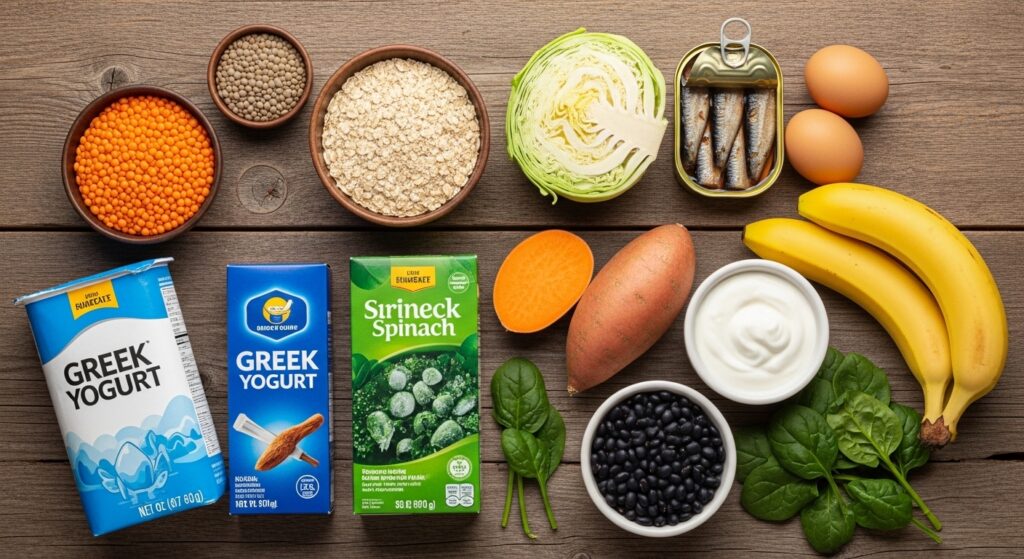
Seeing this list is one thing; incorporating these budget-friendly superfoods into your diet is another. Here’s a little secret from my own kitchen: start with one or two. Maybe this week, you swap your usual breakfast for oatmeal and add a can of lentils to your soup. Next week, you try sardines on toast and buy a head of cabbage for slaw.
The goal isn’t a complete pantry overhaul overnight. It’s about making small, sustainable swaps that add up to a big impact on your health and your grocery bill. These foods are proof that you don’t need a fancy diet or a fat wallet to nourish your body profoundly. You just need to know where to look.
Frequently Asked Questions (FAQs)
Are canned beans and vegetables as healthy as fresh?
In many cases, yes! Canned and frozen produce is often packed at the peak of freshness, locking in nutrients. For canned beans and vegetables, just be sure to give them a good rinse under cold water to remove excess sodium. They are a fantastic, affordable way to keep these budget-friendly superfoods in your pantry year-round.
I’m on a tight budget. Which 3 foods from this list should I buy first?
If I had to pick three, I’d start with lentils, oats, and eggs. Together, they provide a solid foundation of protein, fiber, and essential vitamins for a very low cost. You can make countless meals from this trio alone, from lentil soup and oatmeal for breakfast to a simple egg scramble.
How can I make sardines taste better?
The key is to pair them with strong, bright flavors. Try mashing them with avocado, a squeeze of lemon juice, and a pinch of salt and pepper. Or, mix them with a little Dijon mustard and some chopped red onion. Serving them on crispy toast or whole-grain crackers also helps balance their strong flavor.
Is plain Greek yogurt really that much better than the flavored kind?
Yes, the difference is huge. A single serving of some flavored yogurts can contain more sugar than a candy bar. Plain Greek yogurt gives you all the protein and probiotic benefits without the sugar crash. You have total control to sweeten it naturally with berries, a tiny bit of maple syrup, or a sprinkle of cinnamon.
Can I eat these foods if I’m trying to lose weight?
Absolutely. In fact, they’re ideal for weight management. Foods like lentils, oats, and eggs are high in protein and fiber, which promote feelings of fullness and can help prevent overeating. They provide sustained energy and vital nutrients, helping you nourish your body while managing your calorie intake.