
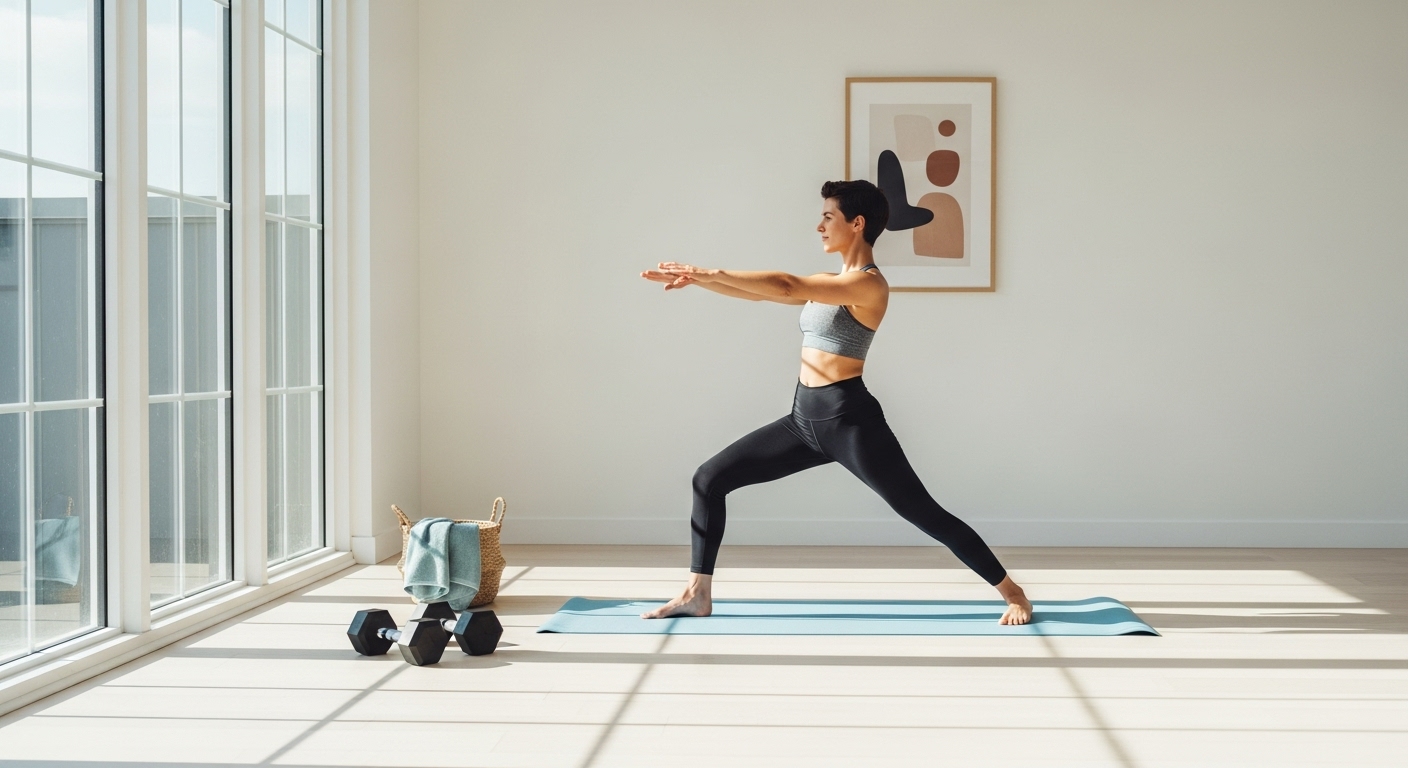
Let’s be honest — finding time to exercise every day can feel like trying to squeeze water from a stone. Between work, errands, and a million other responsibilities, hitting the gym often lands at the bottom of the to-do list. But what if I told you that just 15 minutes a day at home could seriously boost your energy, improve your mood, and even help you stay in shape?
That’s right. You don’t need fancy equipment or a pricey membership. All you need is a little space, some motivation, and a commitment to show up for yourself — for just a quarter of an hour. In my experience, the consistency of a short workout often beats an inconsistent one-hour session at the gym. Let’s dive into how you can make those 15 minutes count.
Why a 15-Minute Workout Actually Works
Most people don’t realize that short, focused workouts can be incredibly effective. The key is intensity. When you combine compound movements with minimal rest, your heart rate stays elevated, your muscles engage deeply, and your metabolism gets a serious boost. Studies have shown that high-intensity interval training (HIIT) burns more fat in less time than steady cardio.
If you ask me, the beauty of a 15-minute workout isn’t just physical—it’s psychological. It feels manageable. You don’t dread it, you don’t procrastinate, and you actually get it done. That’s the real secret: consistency beats perfection.
The 15-Minute Daily Home Workout Routine
This routine targets your entire body — arms, core, legs, and glutes — and it’s perfect for beginners and experienced exercisers alike. You can do it in your living room, bedroom, or even on your balcony.
Warm-Up (2 Minutes)
Before you jump into the action, take two minutes to warm up your body. This helps prevent injuries and prepares your muscles for movement.
- 30 seconds jumping jacks
- 30 seconds arm circles
- 30 seconds high knees
- 30 seconds hip rotations
Main Workout (12 Minutes)
Perform each exercise for 40 seconds, then rest for 20 seconds. Repeat the entire circuit twice.
- 1. Squats: Stand tall, push your hips back, and lower until your thighs are parallel to the floor. Great for legs and glutes.
- 2. Push-Ups: Classic and powerful. Modify by using your knees if needed.
- 3. Mountain Climbers: Drive your knees to your chest quickly to engage your core and boost your heart rate.
- 4. Plank Shoulder Taps: Hold a plank and tap your shoulders alternately. Focus on stability and core control.
- 5. Jump Lunges (or Reverse Lunges): Explosive or controlled — your choice. This move strengthens your legs and balance.
- 6. Bicycle Crunches: Lie on your back and pedal your legs like you’re riding a bike to target your abs.
Cool Down (1 Minute)
End your workout with deep breathing and gentle stretching. Focus on your hamstrings, shoulders, and lower back. You’ll thank yourself tomorrow.

Tips for Staying Consistent
Here’s the tricky part — sticking with it. Starting is easy; staying consistent is where most people stumble. But don’t worry, I’ve got some tried-and-true tips to help you stay on track:
- Set a specific time: Morning, lunch break, or before dinner — choose your slot and make it non-negotiable.
- Use a timer app: There are dozens of free HIIT timers that make it easy to track your intervals.
- Keep your gear visible: Roll out your mat before you go to bed, so it’s staring at you when you wake up.
- Celebrate progress: Track how many sessions you complete each week, not how “perfect” you did them.
- Make it fun: Play your favorite upbeat playlist — music has a magical way of boosting motivation.
Why This Routine Is Perfect for Busy People
If you’ve ever skipped a workout because you “didn’t have time,” this 15-minute plan was made for you. Think about it: we spend more than that scrolling through our phones or watching a single YouTube video. You can do this routine in the morning before your shower or in the evening while dinner’s in the oven.
And because it’s all bodyweight-based, there’s no need for equipment or a gym membership. The simplicity removes excuses, and that’s half the battle.
How to Keep Your Routine Fresh
One thing I’ve learned from years of home workouts is that variety keeps you going. Every two to three weeks, switch up a few moves or increase intensity. Try adding:
- Burpees instead of mountain climbers for extra cardio.
- Sumo squats instead of regular squats for inner thigh activation.
- Tricep dips using a sturdy chair.
- Longer plank holds or side planks for core strength.
Listen to your body. Some days you’ll crush it; other days, you’ll just get through it — and that’s okay. What matters is showing up.
Final Thoughts: 15 Minutes That Can Change Everything
Most people underestimate what 15 minutes a day can do. But if you stay consistent, you’ll notice real changes — not just in your body, but in your mindset. You’ll feel more energized, confident, and ready to take on the day.
Remember, your workout doesn’t have to be perfect. It just has to be done. Show up for yourself, even when you don’t feel like it, and you’ll build a habit that can transform your health in the long run.
Frequently Asked Questions (FAQs)
1. Can a 15-minute workout really make a difference?
Absolutely. Short, high-intensity workouts improve cardiovascular health, burn calories, and strengthen muscles — especially when done consistently. It’s all about effort, not duration.
2. Do I need any equipment for this routine?
Nope! This 15-minute home workout uses only your body weight. However, if you want to level up, you can add resistance bands or small dumbbells later on.
3. What’s the best time of day to do this workout?
The best time is whenever you can stick to it. Morning workouts boost energy and focus, while evening sessions help release stress. Pick what fits your schedule best.
4. Can beginners do this 15-minute routine?
Definitely. You can modify exercises like push-ups (on your knees) or lunges (no jumps) to suit your fitness level. Over time, you’ll naturally build strength and endurance.
5. How soon will I see results from this workout?
Most people start feeling more energetic within a week and see visible results in about 3–4 weeks. The key is staying consistent and pairing your workouts with balanced nutrition.